

Vibroacoustic therapy for depression: potential benefits include helping people feel calmer, sleep and rest more easily, and become more open to the rest of their treatment. It is not a standalone cure but works as a supportive add-on to proven care such as medication, TMS Treatment, or Spravato. Below, we cover vibroacoustic therapy for depression: potential benefits, what a session feels like, and how it fits into a larger treatment plan at Myndful Wellness.
Vibroacoustic therapy, often called VAT, is a non-invasive wellness service that combines sound with gentle, low-frequency vibration. Patients rest on a surface fitted with transducers. These devices turn sound waves into vibrations the body can feel.
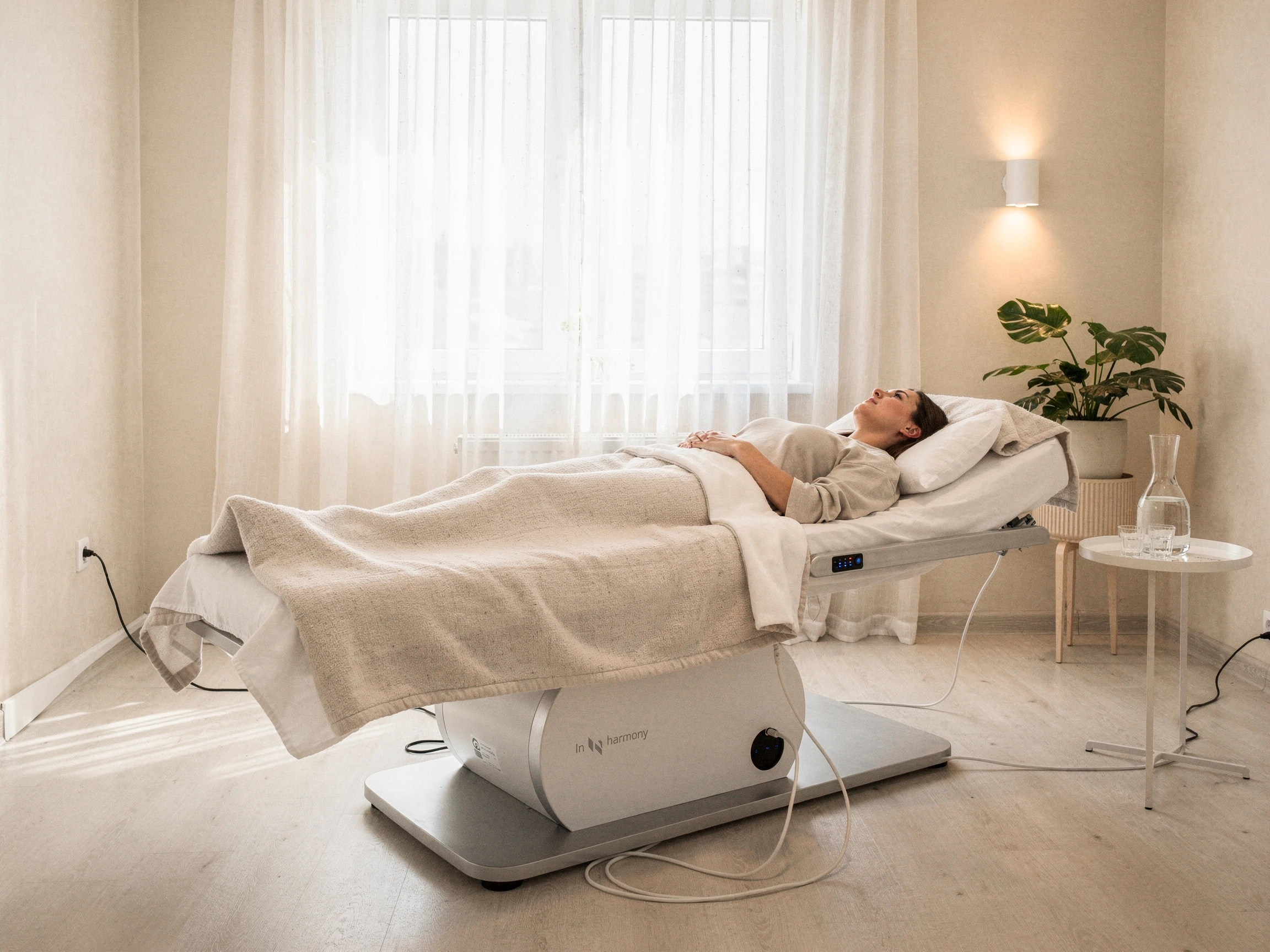
At our office, sessions take place in our sound lounge. Many patients describe our space as warm and relaxing, with greens and plants chosen for a calming effect. VAT is drug-free and offered by appointment.
Music and tones play while matching vibrations travel through the body. The rhythm of these vibrations can encourage slower breathing and a lower heart rate. Over the course of a session, many people shift out of a tense, alert state and into deeper rest.
Depression often comes with physical tension, restlessness, and poor sleep. VAT targets the body side of that experience. This can make it easier to engage with the emotional and mental work of recovery.
Responses vary from person to person. These are the benefits patients most often describe.
Depression can keep the body stuck in a stress response. Gentle, steady vibration may help signal safety to the nervous system. Patients often say they feel grounded and settled after a session. That sense of calm can carry into the rest of the day.
Depression and anxiety frequently occur together. Racing thoughts and muscle tension can make low mood feel heavier. VAT offers a quiet break from that cycle. Many people find it easier to breathe deeply and let go of tension while the vibrations move through them.
Some patients notice emotions surfacing during or after a session. For people living with PTSD or past trauma, a body-based approach can feel less demanding than talking alone. VAT does not replace trauma-focused care. It may help create a calmer state in which that work feels more manageable.
After deep relaxation, many people report feeling lighter and more focused. Better rest can also support energy and concentration, two areas depression often affects. These effects are usually gradual. They tend to build with regular sessions alongside other treatment.
When patients ask us about vibroacoustic therapy for depression: potential benefits are only part of the answer. Fit matters just as much.
VAT may be a good option for people who:
Live with depression or other mood disorders
Feel physical tension, restlessness, or trouble relaxing
Want a drug-free way to support their current care
Are already in treatment and want an added layer of support
Find traditional relaxation methods hard to stick with
Not everyone needs medication. Some people need extra support alongside it. VAT can serve either group.
You stay fully clothed and rest comfortably in our sound lounge. Music plays, and you feel soft vibrations through your back and body. There is nothing you need to do except breathe and rest. Some people drift into a light, dreamlike state. Others simply feel quiet and still. Afterward, most people can return to their normal day.
VAT is designed to complement psychiatric and therapeutic care, not replace it. Jessica Schmalz, Psychiatrist, builds each treatment plan around the individual rather than a one-size-fits-all approach.
Our team offers several depression treatments that VAT can pair with:
Medication management to find and adjust the right prescriptions
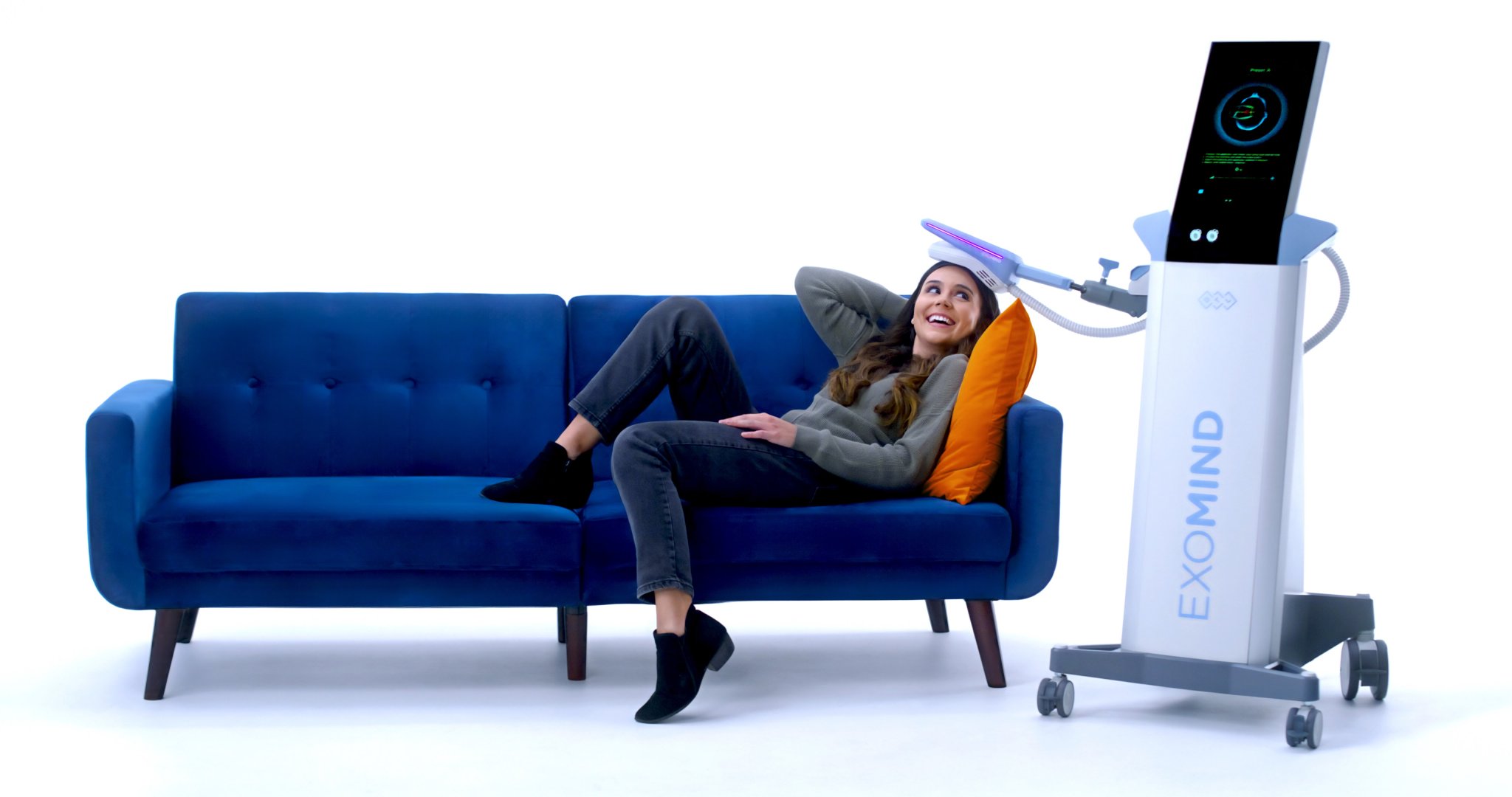
TMS Treatment, including Exomind
Spravato for treatment resistant depression
A Psychiatric Evaluation to clarify diagnosis and next steps
We are the first and only office in Grand Junction, CO to offer both TMS Treatment and Spravato. For patients with treatment resistant depression, this combination can be a strong option. Adding VAT gives the body a chance to rest and reset between more active treatments.
VAT is gentle, non-invasive, and drug-free. Still, it should be part of a supervised plan. Let our providers know about any implanted medical devices, pregnancy, recent injuries, or conditions affected by vibration. They will help decide whether VAT is a good fit.
VAT is not a crisis treatment. If you have thoughts of harming yourself, reach out for emergency help right away. Our providers can then work with you on ongoing care that includes VAT when appropriate.
Vibroacoustic therapy offers a calm, body-based way to support recovery from depression. It works alongside medication, TMS Treatment, Spravato, or other care chosen for your needs.
Understanding vibroacoustic therapy for depression: potential benefits include a calmer nervous system, lower stress, emotional release, and improved mood and clarity. It is drug-free and gentle, and it fits within a personalized plan built by our providers. To learn more, visit our Vibroacoustic Therapy.